Stellenbosch · Western Cape
Beau Joubert
Beau Joubert is a wine farm in Stellenbosch, Western Cape. About 29 km from Cape Town.
Stellenbosch · Western Cape
Beau Joubert is a wine farm in Stellenbosch, Western Cape. About 29 km from Cape Town.
Beau Joubert is a Stellenbosch Valley wine brand with roots on historic Polkadraai land that stretch back to a 1695 freehold grant under Governor Simon van der Stel. The original farm name, Veelverjaagt, recalls Jan Coenraad Visser — jokingly “chased around enough” in local lore as a property man of the early Cape — before French Huguenot descendant Dirk Daniel Joubert acquired the ground a century later. Five Joubert generations left their mark on the mountainous Polkadraai / Bottelary-side property; the modern brand name simply joins the French beau (“beautiful”) to that family name. Today Beau Joubert operates primarily as an American-owned Cape wine label rather than a classic walk-in estate tasting destination, so this guide focuses on heritage, ranges and how to approach the wines thoughtfully.
At the turn of the millennium, visitors from Wisconsin fell for the Cape Winelands and entered a joint venture with the Joubert lineage that became Beau Joubert. From 2016, Andrew Hilliard took full title of the brands and later partnered with consulting winemaker Catherine Marshall, with their first collaborative vintage arriving in 2019. That shift matters for anyone researching the label: grapes are now sourced from selected Cape vineyards chosen for quality, not limited to a single historic block map. The brand still trades on Stellenbosch Valley identity and Old World Huguenot resonance, while production and market focus lean international — especially toward consumers who want South African wines with clear premium and everyday tiers.
Hilliard remains hands-on through harvest and commercial direction; Marshall brings decades of Cape and international cellar experience, including work associated with South Africa’s garagiste movement. Together they position Beau Joubert as heritage storytelling plus contemporary sourcing — a model common among Stellenbosch Valley names that evolved from farm brands into broader Cape portfolios. For readers comparing valley producers, think of Beau Joubert as a brand with a deep address in Polkadraai history rather than as a guaranteed open-gate Wine Route stop every day of the week.
The portfolio splits cleanly for different occasions. The Beau Joubert label is the premium range aimed at drinkers who want more structured, site-conscious Cape expressions from noble varieties historically associated with the farm and region — think Cabernet Sauvignon, Merlot, Shiraz, Chardonnay, Chenin Blanc and Sauvignon Blanc among the styles the brand has offered over time. The Oak Lane range is crafted for everyday enjoyment: approachable wines for weeknight tables and larger gatherings without pretending to be reserve cellar pieces.
That two-tier structure helps retailers and collectors place bottles correctly. If you are building a Stellenbosch Valley case, use Beau Joubert-labelled wines when you want the flagship story and Oak Lane when you need reliable volume with the same brand ethics. Every bottle sold supports the Pebbles Project, a Cape education and community initiative — a concrete giving-back thread the brand emphasises alongside flavour. Ethical purchasing notes like this matter to many modern wine travellers who want their Stellenbosch Valley spend to connect with local social programmes as well as terroir narratives.
Stellenbosch Valley, in wine-route geography, covers the broader basin and approaches around town rather than a single mountain ward like Helderberg or Simonsberg alone. Polkadraai Road remains one of the Valley’s classic approaches from the Cape Town side, rolling past strawberry stalls, granite hills and a dense cluster of boutique cellars. Beau Joubert’s historic Veelverjaagt footprint sits in that landscape — south of the Bottelary Hills influence — even when fruit for current vintages is assembled from multiple Cape sources. Understanding that distinction prevents disappointment: you are buying a brand with deep Stellenbosch Valley ancestry, not necessarily booking a full estate tour on the original 1695 survey lines.
Neighbouring Polkadraai producers make the road a rich research corridor for Merlot specialists, Chenin growers and larger valley estates alike. Use Beau Joubert bottles as a portable piece of that corridor when an on-farm tasting is not part of the current visitor offering. Pair a premium Beau Joubert red with Karoo lamb or a hearty Cape stew, and keep Oak Lane whites chilled for picnics or braai tables — practical ways to taste the brand while you farm-hop elsewhere.
As of the latest public information on the official Beau Joubert website, the brand does not prominently advertise a standing public cellar-door tasting programme with online booking in the way many Stellenbosch Wine Route farms do. Older listings sometimes mention tastings, cellar tours or cottages on the historic farm; treat those as historical or unverified unless you confirm directly with the winery by phone or email before travelling. For most travellers today, the practical path is to locate current Beau Joubert and Oak Lane wines through reputable merchants, the brand’s own sales channels, or export partners — then taste them at leisure with Stellenbosch Valley food pairings at home or in town.
If you do make contact and an appointment becomes available, ask specifically which site you will visit, which vintages are open, and whether the experience is on the historic Polkadraai property or at another facility. Clarity saves a wasted drive on a busy wine-route day. International buyers should watch for the brand’s export focus; South African hosts can often source bottles locally for tasting evenings without needing a farm appointment.
Beau Joubert earns a place in Stellenbosch Valley coverage because it connects three eras in one label: early Cape freehold history, Joubert Huguenot farming, and a twenty-first-century American–South African brand built for global shelves. It is not the Valley’s most visitor-ready cellar door, and honest SEO should say so. What it offers instead is a readable heritage narrative, a clear premium-versus-everyday range structure, Catherine Marshall’s consulting craft on recent vintages, and a bottle-by-bottle link to the Pebbles Project. Seek the wines for what they are — Cape bottles with Stellenbosch Valley roots — and plan farm-hopping days around estates that publish confirmed tasting hours, while keeping Beau Joubert in the case for later.
Beau Joubert is in Stellenbosch, Western Cape. Most visitors drive there from Cape Town in 45–60 minutes.
Geographical unit: Western Cape → Coastal Region → Stellenbosch
Stellenbosch is the flagship Wine of Origin district of the Cape: granite mountains, university town, and the densest cluster of visitor-ready wine farms in the country.
Elevation and soil figures are modelled at the pin, not a vineyard block survey. Use them to compare farms, not to quote a technical sheet.
Stellenbosch

Stellenbosch
Stellenbosch Vineyards is one of South Africa’s major packaged-wine producers and exporters, headquartered on historic Welmoed Farm on the R310 Baden Powell Drive at Lynedoch, Stellenbosch.
KidsWheelchair access Tasting

Stellenbosch
KidsWheelchair access Tasting
Stellenbosch
KidsWheelchair access Tasting
Stellenbosch
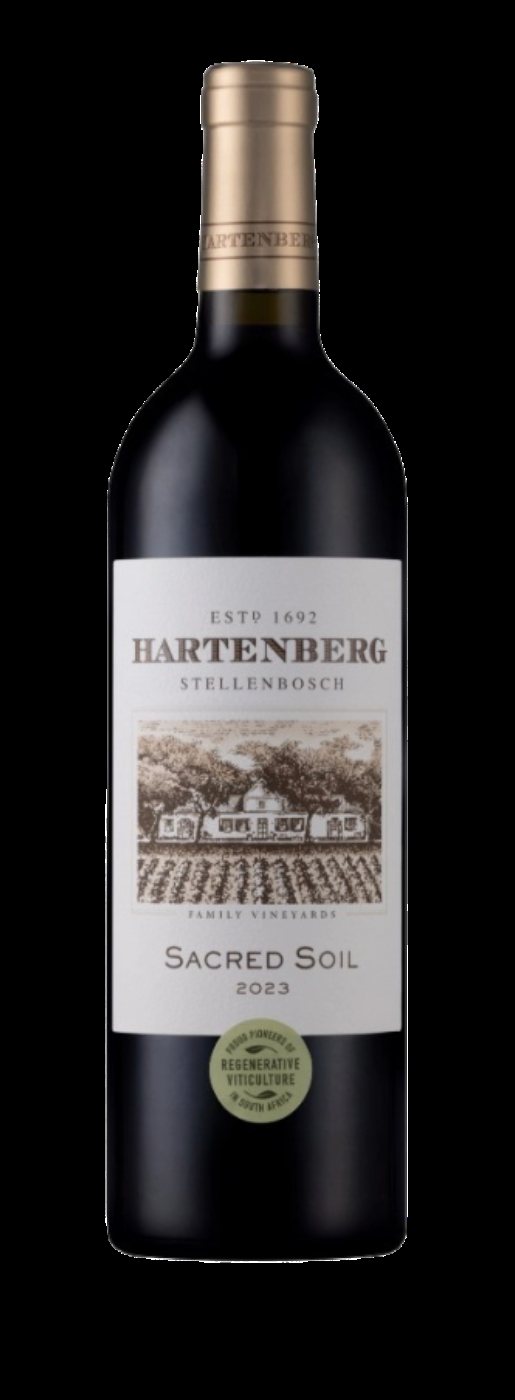
Hartenberg Estate is a wine farm in Stellenbosch, Western Cape. About 34 km from Cape Town.
KidsWheelchair access Tasting
Stellenbosch
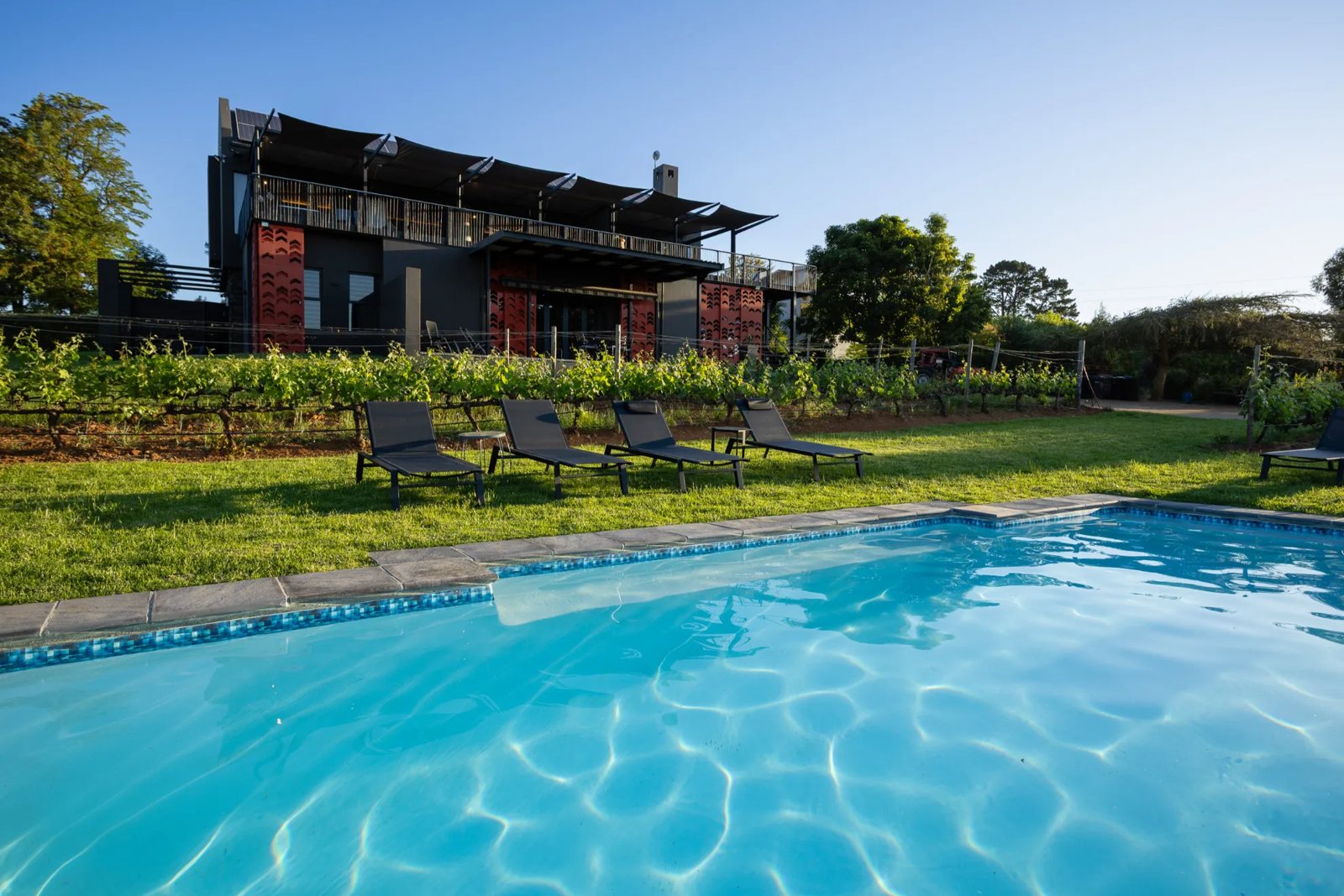
Kunjani Wines (also styled Kunjani Villas & Wines) is a boutique Stellenbosch wine estate in the Bottelary Hills near Devonvale, founded by Paul Barth and Pia Watermeyer.
Romantic Tasting Stay

Stellenbosch
Stellenbosch
KidsViewsWheelchair access Tasting Restaurant Stay

Stellenbosch
KidsRomanticWheelchair access Tasting Restaurant Stay
Stellenbosch
Stellenbosch
Stellenbosch
Stellenbosch
Stellenbosch